
Basic Digital Marketing
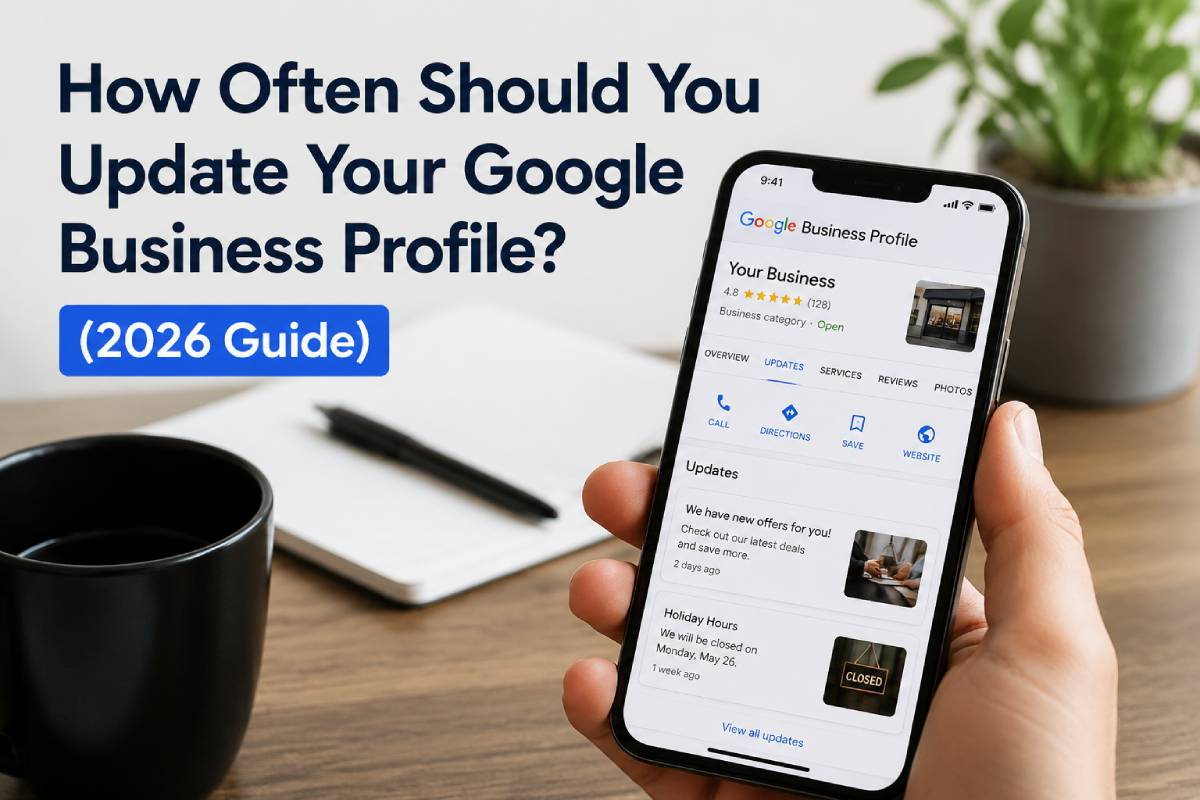
Update your Google Business Profile at least once a week and review it thoroughly every month. If your hours, photos, services, or reviews are outdated, customers will choose competitors. Google ranks local businesses based on relevance, distance, and prominence, and an inactive profile damage all three.

Most executives don’t fail on LinkedIn because they lack expertise. They fail because they don’t have a structured LinkedIn content strategy that translates real-world leadership into consistent visibility and authority online.
Without clear positioning, content consistency, and a defined message, even highly experienced executives remain invisible, while less experienced but more active professionals dominate attention and engagement.

You’re not inactive.
You’re not new.
And you’re definitely not doing nothing.
But still… when people in your city need your service, they don’t think of you first.
That’s the frustrating reality for many businesses in Toronto and across the GTA, restaurants, clinics, contractors, salons, and service providers who are working hard but still feel invisible online.
It’s not a lack of effort.
It’s a lack of structured visibility.
And that difference changes everything.
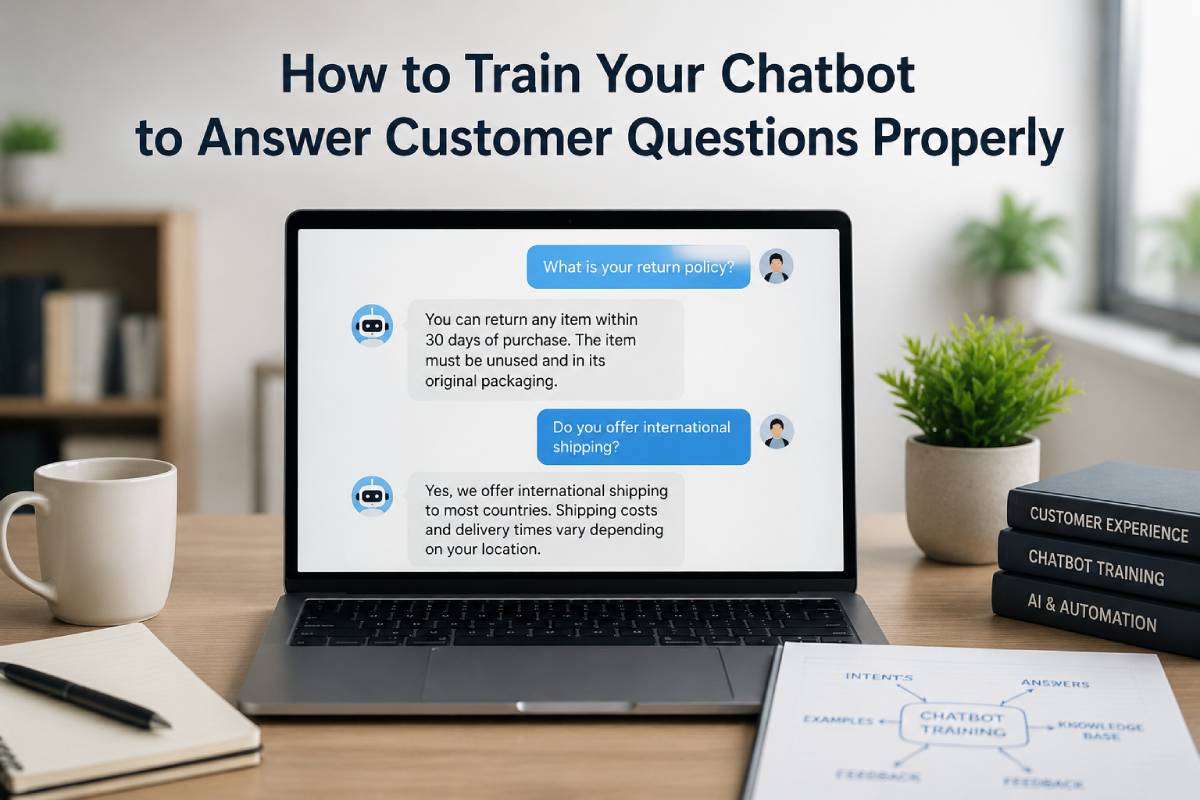
Imagine this:
A potential customer lands on your website.
They're interested in your service and ready to ask a question.
"Do you offer emergency service?"
"How much does it cost?"
"Can I book online?"
"Do you serve my area?"
Instead of getting a helpful answer, your chatbot responds with:
"Please contact us for more information."
The customer leaves.
They visit a competitor's website.
Within minutes, you've lost a lead without ever knowing it happened.
This scenario plays out every day for businesses that install a chatbot but never properly train it.
A chatbot should do more than respond to messages. It should answer customer questions accurately, guide visitors toward the next step, reduce repetitive support requests, and help convert website traffic into leads.
The difference between a chatbot that helps your business grow and one that frustrates customers usually comes down to one thing: training.

It's Friday evening.
Your kitchen is ready.
Your staff is prepared.
Your food is excellent.
Yet half your tables are empty.
Meanwhile, a restaurant down the street seems busy all night.
Sound familiar?
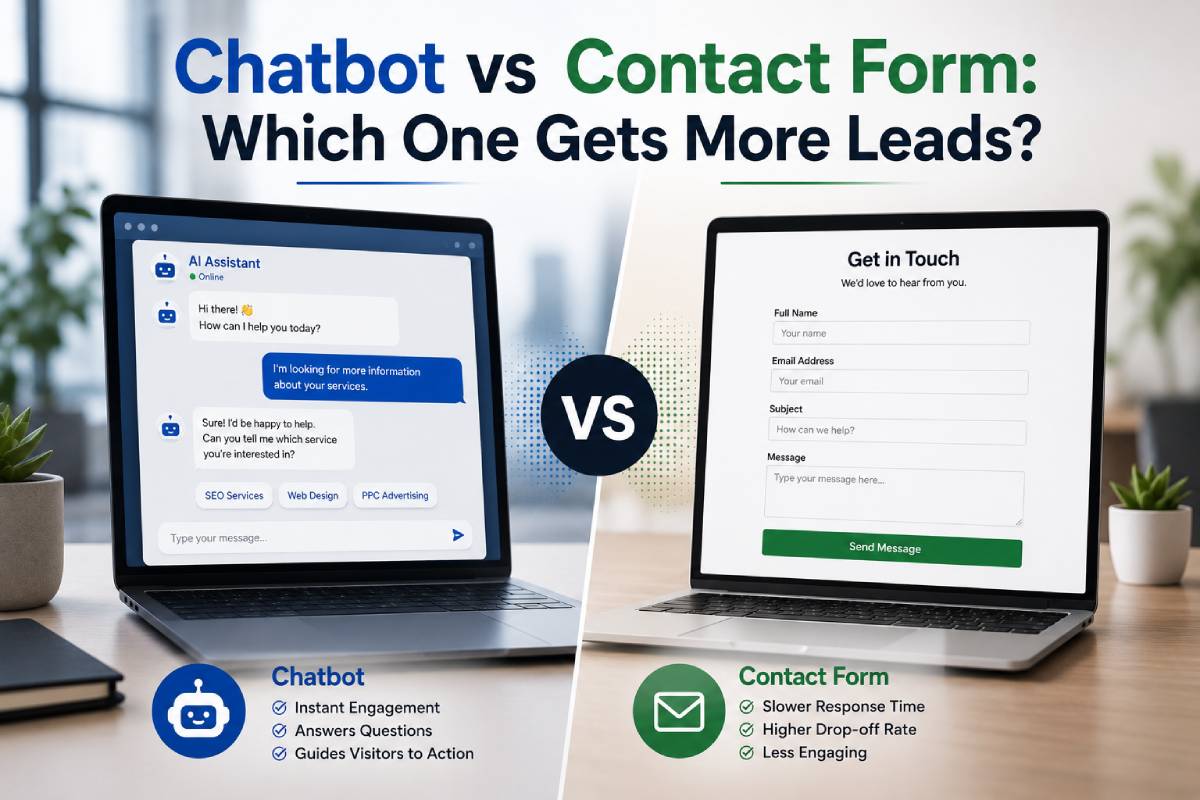
Most websites do not have a traffic problem.
They have a conversation problem.
Visitors arrive. They look around. They read a service page. They may even be interested. But then they leave without calling, booking, or submitting a form.
For business owners, this is frustrating because traffic costs money. Whether visitors come from Google, social media, paid ads, local SEO, referrals, or AI-powered search results, every visit is an opportunity.
The real question is: are you making that opportunity easy enough to turn into a lead?
For years, the contact form was the standard answer. Add a form. Ask for a name, email, phone number, and message. Wait for submissions.
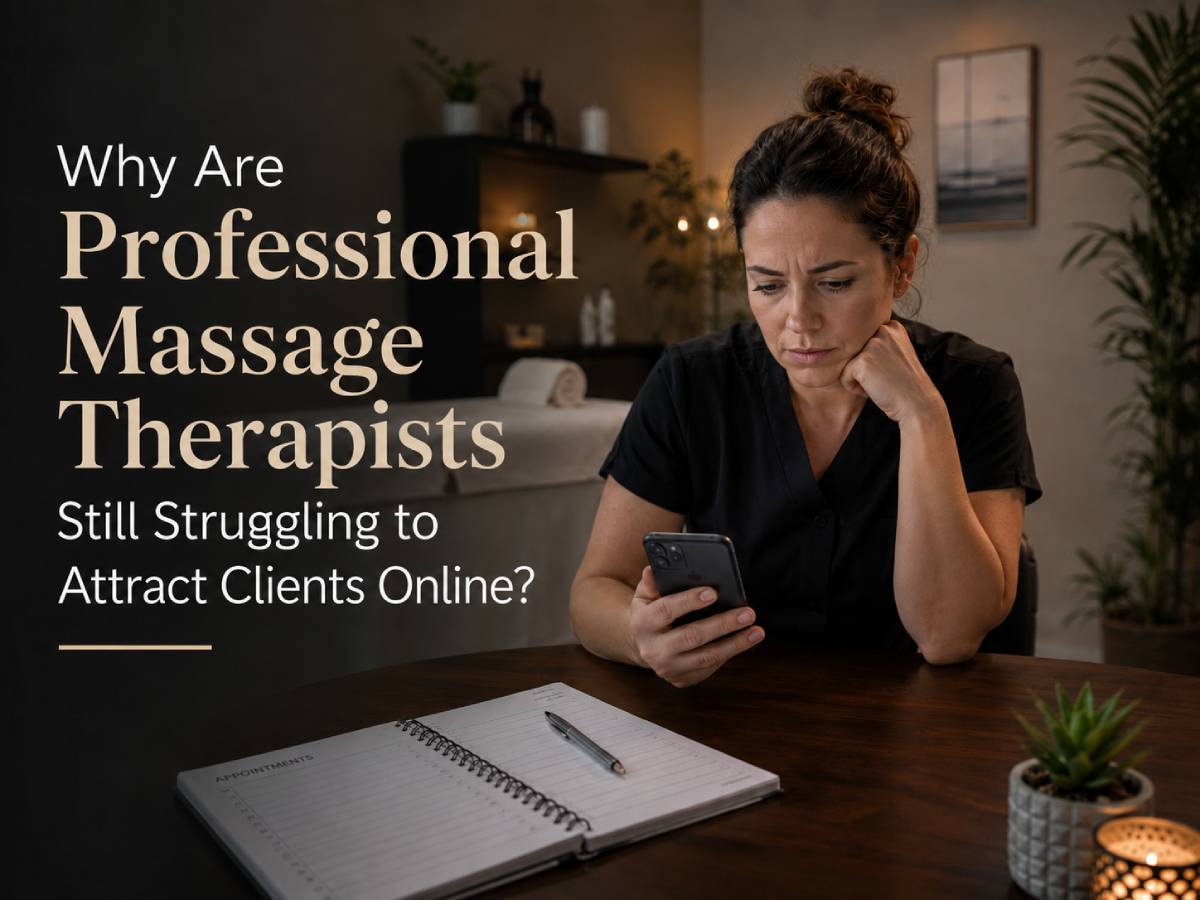
Professional massage therapists often struggle to attract clients online because skill alone is no longer enough. If people cannot find you on Google, trust your website, read strong reviews, or book easily, they usually move on to another therapist who looks more visible, professional, and simple to choose.
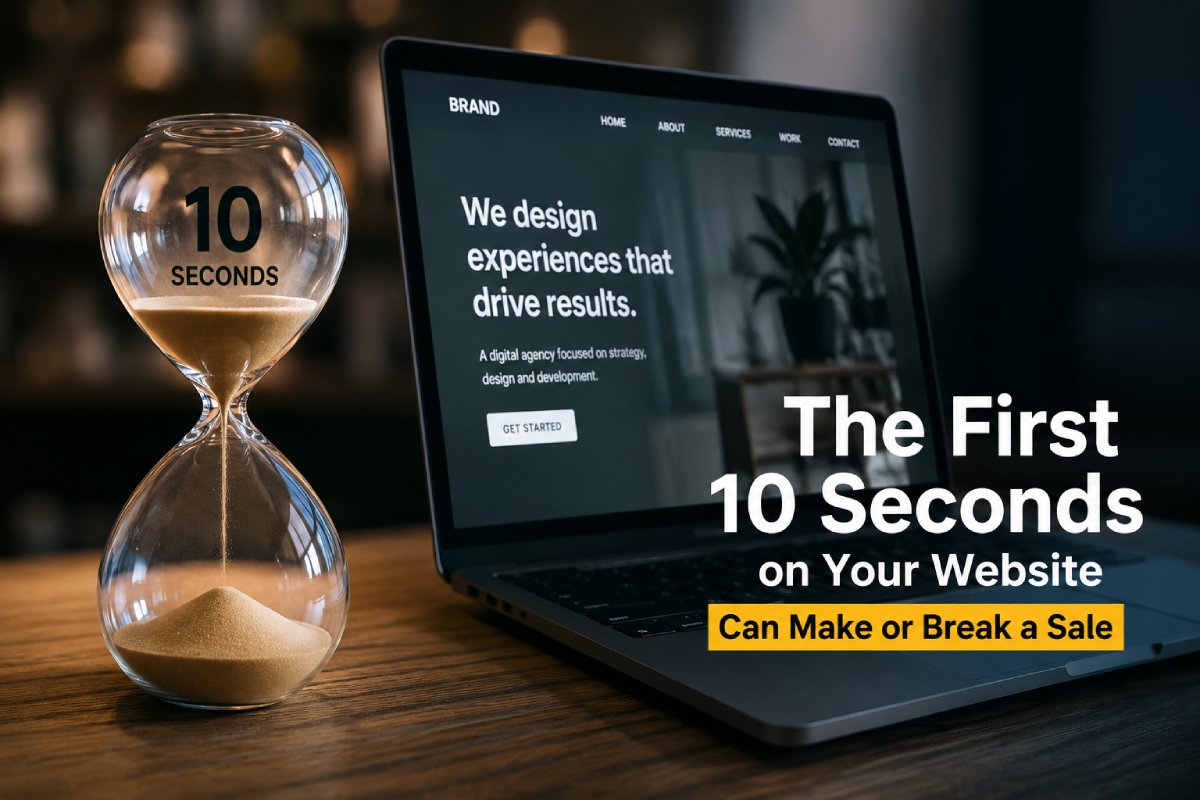
If visitors land on your website and cannot quickly understand what you do, why they should trust you, and what to do next, many will leave within seconds. A successful business website is not just about looking modern. It must guide people toward calling, booking, buying, requesting a quote, or sending a message.
For many businesses, the real issue is not low traffic. The issue is that the website does not convert visitors into leads.

The businesses winning online in 2026 are not simply posting more, running more ads, or having a nicer-looking website. They are easier to find, easier to trust, easier to understand, and easier to contact. They use SEO, local SEO, website design, content marketing, social media, reviews, Google Business Profile optimization, paid ads, AI search optimization, and smart lead generation as one connected system.
In other words, they are not just online.
They are built to be chosen.

If ChatGPT, Google AI Overviews, Gemini, Perplexity, and other AI search tools are recommending your competitors instead of your business, it is usually not because they provide a better service.
In most cases, it is because AI can more easily understand, verify, and trust their business.
AI search tools look at signals such as:
-
Website quality and structure
-
Reviews and reputation
-
Local SEO signals
-
Online mentions and authority
-
Business information consistency
-
Helpful content and expertise
-
Technical website performance
If AI cannot confidently understand who you are, what you do, where you operate, and why customers trust you, it may recommend someone else instead.
That is the reality many businesses are beginning to face as search rapidly evolves.

Customers often stop trusting businesses when their online presence feels outdated, inconsistent, inactive, or neglected.
An old website, quiet social media page, outdated Google photos, unanswered reviews, or inconsistent branding can quietly make customers feel uncertain, even if the business itself provides excellent service.
Today, people judge businesses online before they ever contact them.
And most businesses lose trust digitally long before they realize it.
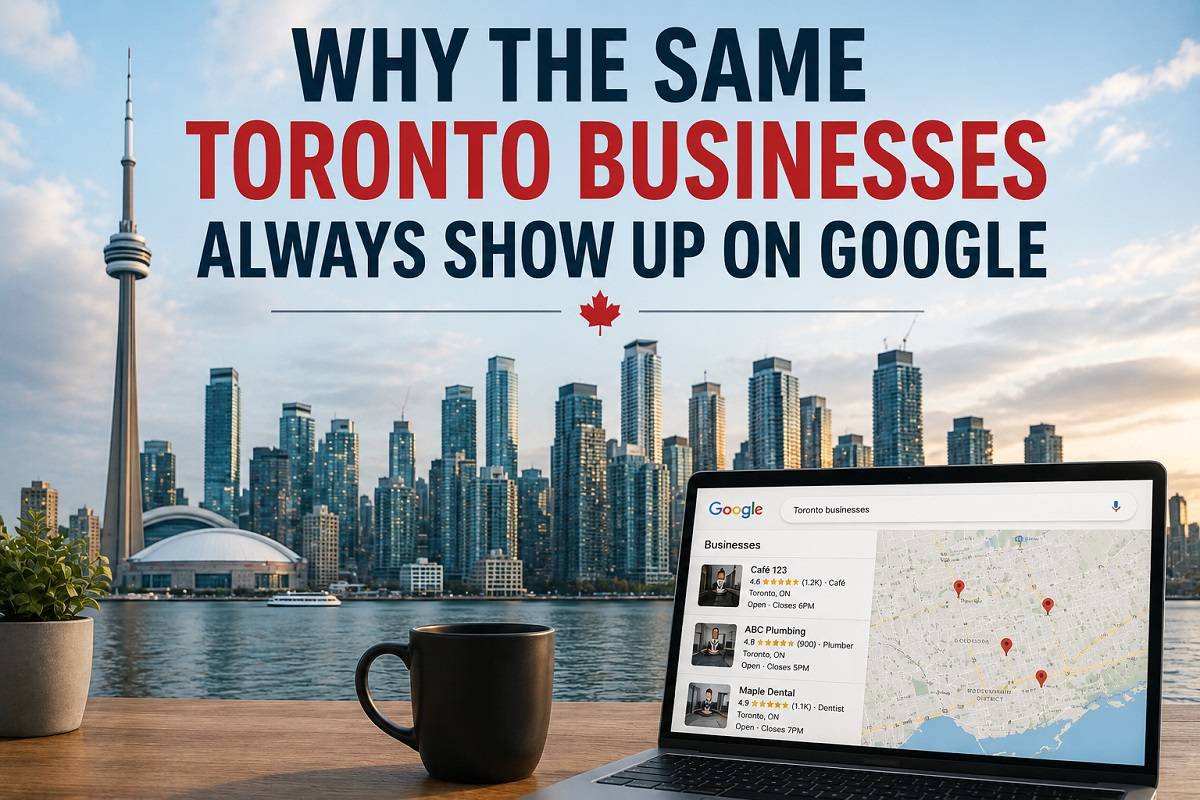
Some Toronto businesses keep appearing on Google because they’ve built stronger trust signals online over time.
It’s not always because they’re “better.”
Usually, they simply make it easier for Google and customers to trust them.
That includes:
-
stronger Google Business Profiles
-
clearer websites
-
better local SEO
-
more useful content
-
faster customer engagement
-
stronger location relevance
-
more consistent online activity
Meanwhile, many great businesses quietly lose visibility because small online problems keep stacking up in the background.
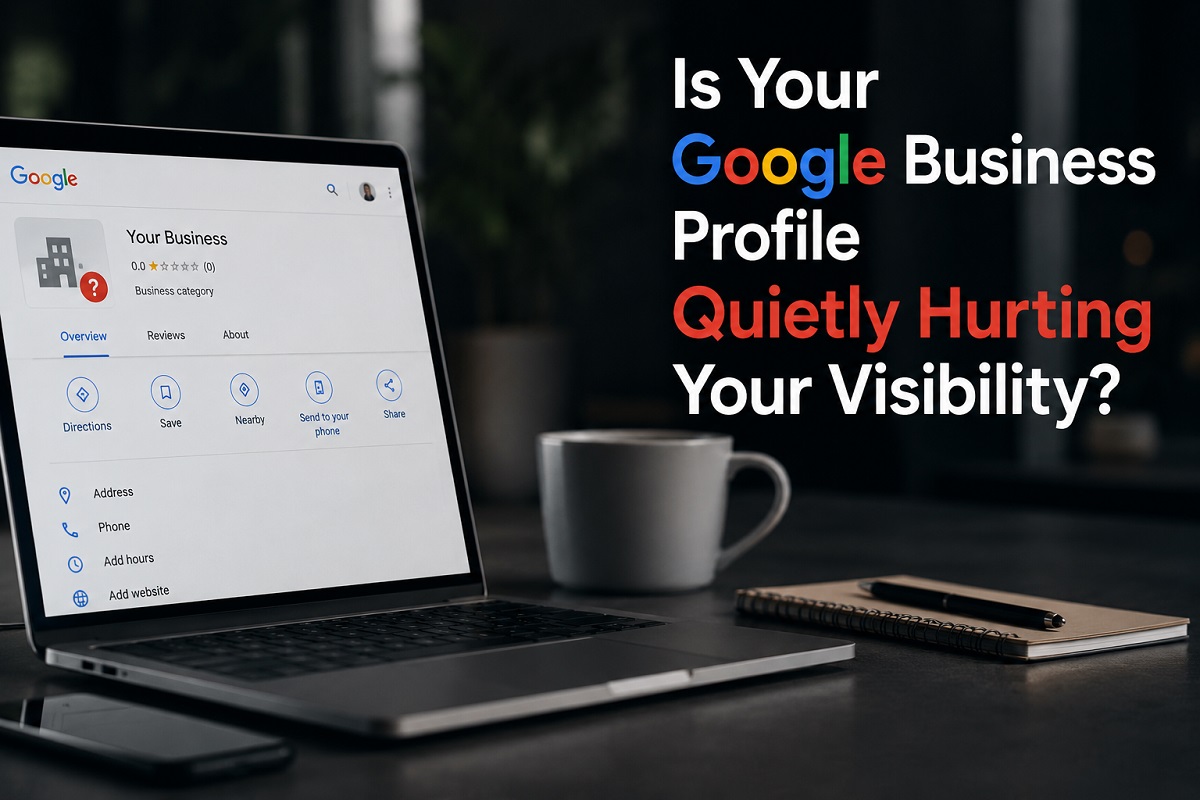
Yes, and most businesses do not notice it until it’s already affecting calls, clicks, bookings, and customer trust.
A weak or inactive Google Business Profile can quietly reduce your visibility on Google Maps, lower engagement, and make customers choose competitors before they even visit your website.
Today, your Google Business Profile is often your real first impression.
Not your website.
Not your Instagram.
Not your ads.
Your Google listing.
And customers judge it fast.
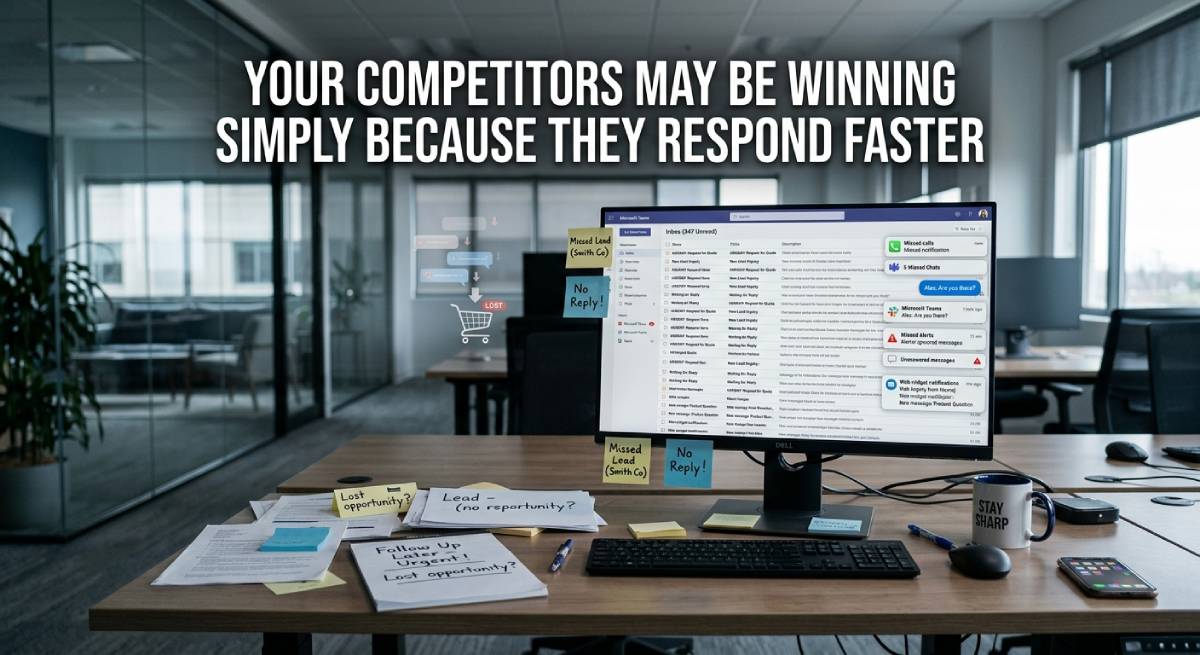
A lot of businesses are not losing customers because their service is worse.
They’re losing because customers never wait long enough to find out how good they are.
Today, response speed affects almost everything:
trust, conversions, bookings, reviews, and even long-term customer loyalty.
If someone contacts your business and hears nothing back for hours, there’s a good chance they already booked with a competitor before you even opened the message.

A lot of businesses post constantly on social media but still struggle to generate customers because posting alone is not a strategy.
Without clear positioning, trust signals, customer-focused messaging, and conversion intent, content often creates visibility without real business growth.
People may see your business every day online, but still not fully understand why they should choose you.

Businesses with stronger content usually feel more established because clear, helpful, and detailed content builds trust before someone even contacts you. When a website looks thin, outdated, or vague, people quietly question the business behind it. In competitive markets like Toronto and the GTA, that hesitation can cost real customers.

If your Google Ads budget keeps disappearing without real customers coming in, the problem usually is not “Google Ads don’t work.” It’s often weak targeting, poor landing pages, bad conversion tracking, confusing websites, or attracting the wrong clicks entirely. Many businesses across the Toronto GTA spend money getting traffic, but never fix the parts that actually turn visitors into paying customers.

AI and voice search are changing how people discover local businesses faster than most owners realize. People are no longer just typing “dentist Toronto” or “restaurant near me.” They’re asking full questions to ChatGPT, Siri, Google, and voice assistants. Businesses with outdated websites, weak local SEO, or unclear information are quietly becoming less visible even if they used to rank well.

You’ve set up your business online.
You have a website.
You might even show up on Google sometimes.
So why does it still feel like customers can’t find you?
This is a common frustration for business owners. You’re visible, but not getting calls, bookings, or real interest.
In this article, we’ll break down what’s really happening, why it matters, and what you can do to fix it, without getting technical or overwhelmed.

Getting traffic used to feel like the hard part.
Now? It’s easier than ever.
You can run ads, post content, and drive visitors to your site in a few hours.
But here’s the real problem:
Most of that traffic doesn’t turn into revenue.
Business owners end up asking the same question:
“If people are coming… why aren’t they buying?”
In this article, we’ll break down what’s actually changed in internet marketing, why traffic alone isn’t enough anymore, and what smart businesses are doing differently to turn attention into real results.

Many business owners are told that ranking on Google is the goal.
So, when their company finally shows up in search results, it feels like the hard part is done.
But then something confusing happens.
The website gets impressions. Sometimes even clicks. Yet the phone barely rings.
This gap between ranking and real leads is more common than most people realize. And it often has nothing to do with how high you appear in search results.
In this guide, we’ll explain why this happens, what the “local SEO gap” really means, and how businesses can close it to turn visibility into actual customer inquiries.

Imagine this scenario: a potential customer visits your website at 11:30 p.m. They browse your services, read a blog post, and consider contacting you, but they hesitate. Maybe they have a quick question about pricing, availability, or whether you serve their area in Toronto. With no immediate response available, they leave.
By morning, they’ve likely contacted a competitor.
This is one of the biggest hidden problems with traditional websites: they don’t follow up in real time. While your site may contain helpful information, it usually waits passively for visitors to take action. And unfortunately, many visitors don’t.
That’s where AI chatbots are transforming online business. Instead of letting potential customers slip away, AI chatbots can greet visitors, answer questions instantly, qualify leads, and even guide people toward making a purchase or booking a service.
In fact, businesses are discovering that AI-powered website chatbots don’t just improve customer experience, they actually help close more deals.
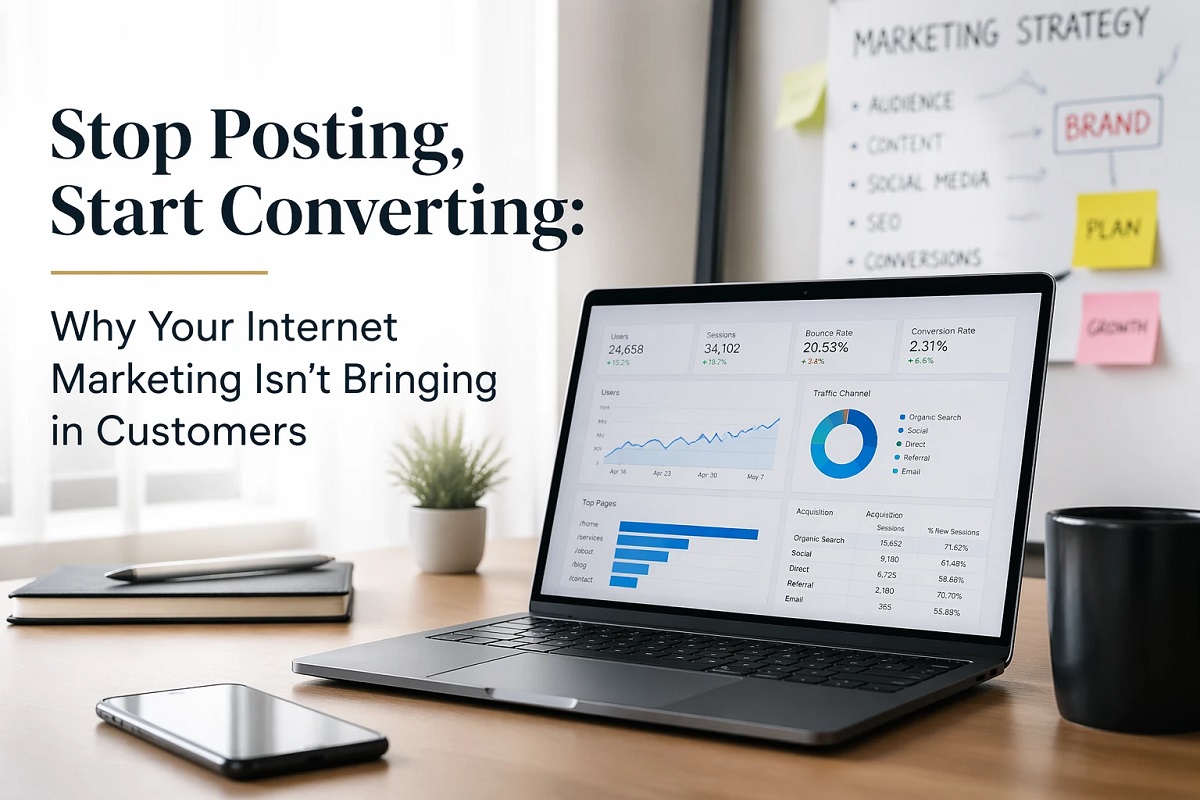
You’re posting.
You’re showing up online.
Maybe even getting likes and views.
But… customers aren’t coming in.
That gap is frustrating, and it’s more common than you think.
This article breaks down why your marketing isn’t turning into real business, and what actually needs to change.
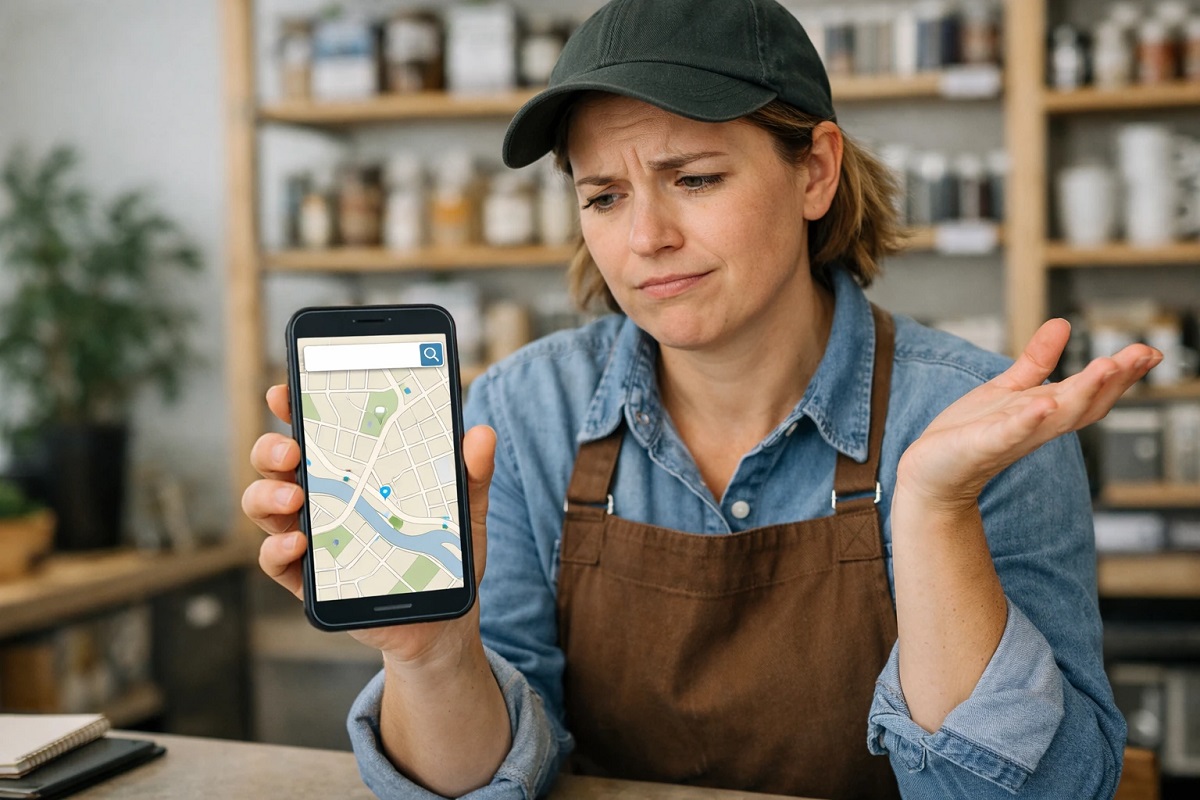
If you’ve ever searched for your own business on Google Maps and couldn’t find it, or worse, saw your competitors instead, you’re not alone.
This is one of the most frustrating (and expensive) problems business owners face today.
Because here’s the truth:
people are searching for your service right now.
Not next week. Not next month. Today.
And if you’re not showing up, you’re not just missing visibility…
you’re losing real customers, real calls, and real revenue.
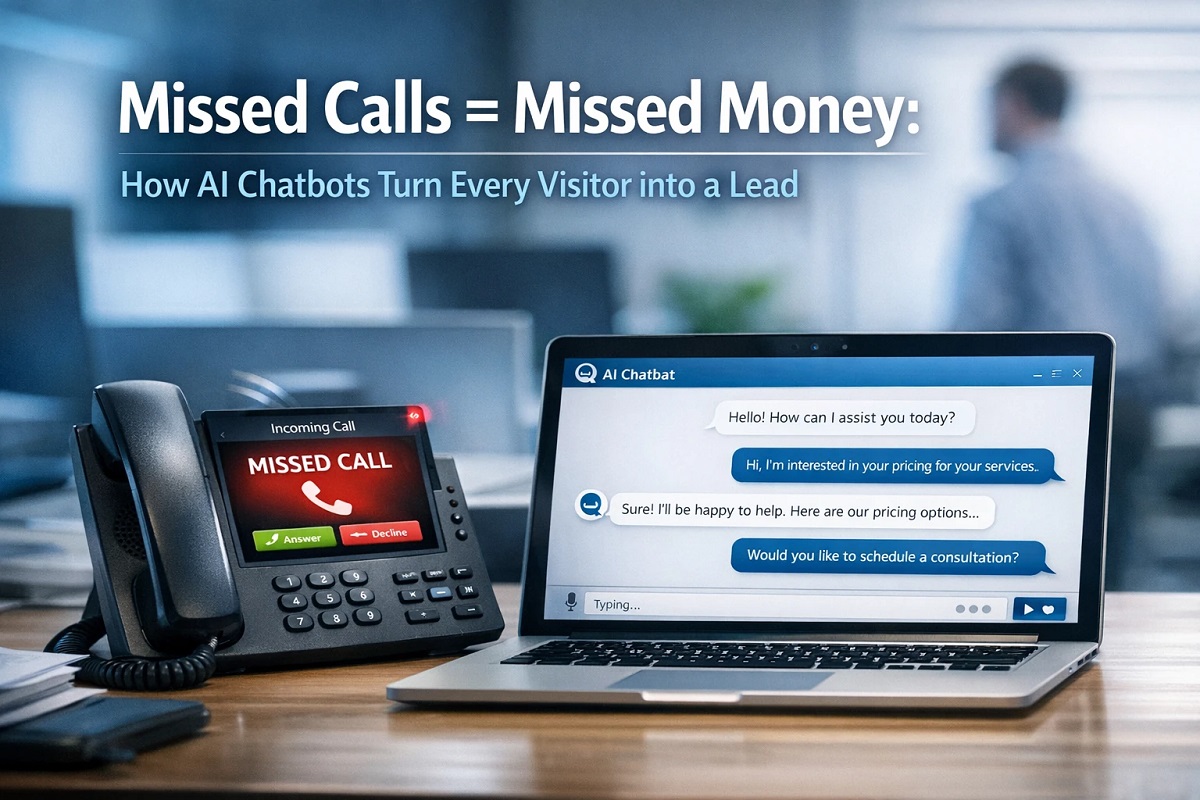
Every business owner knows the feeling.
Your phone rings at a busy moment. A customer fills out a form you don’t see until later. Someone visits your website but leaves before getting help.
By the time you respond, the customer has already moved on.
Missed calls and slow replies don’t always feel like a big deal, but they quietly drain potential revenue. Most people reach out when they’re ready to learn more, request a quote, or buy, and if no one answers, they choose someone who will.
AI chatbots solve this problem by giving every visitor fast, friendly help, 24 hours a day.
In this article, we’ll break down what chatbots really do, why they matter, how they capture leads, and what business owners should know before using one.
- Why Do Some Companies Complete SEO in Six Months While Others Take a Full Year?
- The Employee Who Never Sleeps: How AI Agents Are Rescuing Service Business Margins
- Why Some Businesses Spend a Lot on Google Ads, But Still Don’t Show Up on Page One
- Stop the Scroll: Why Video Marketing Is No Longer Optional for 2026 Growth
